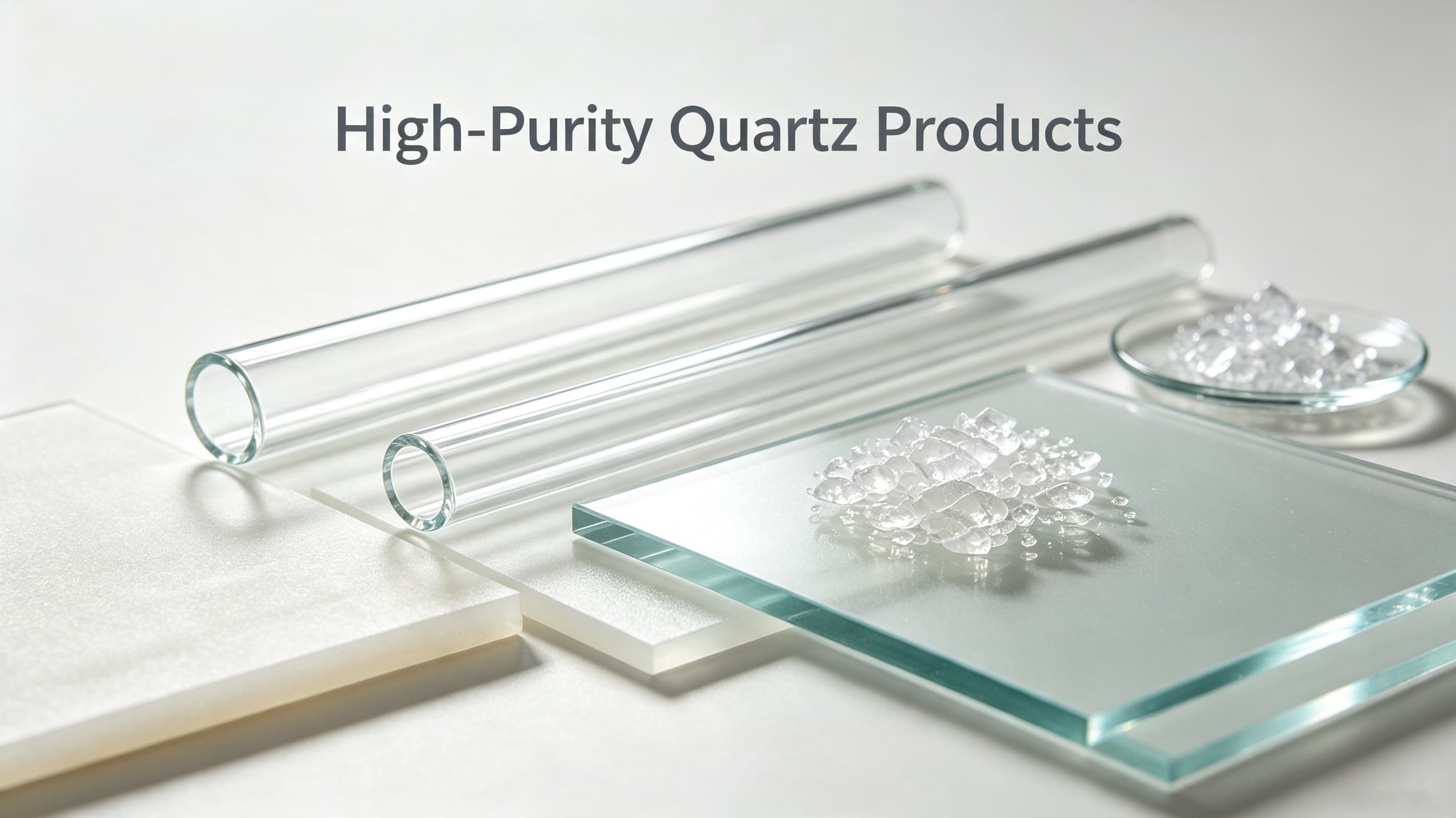
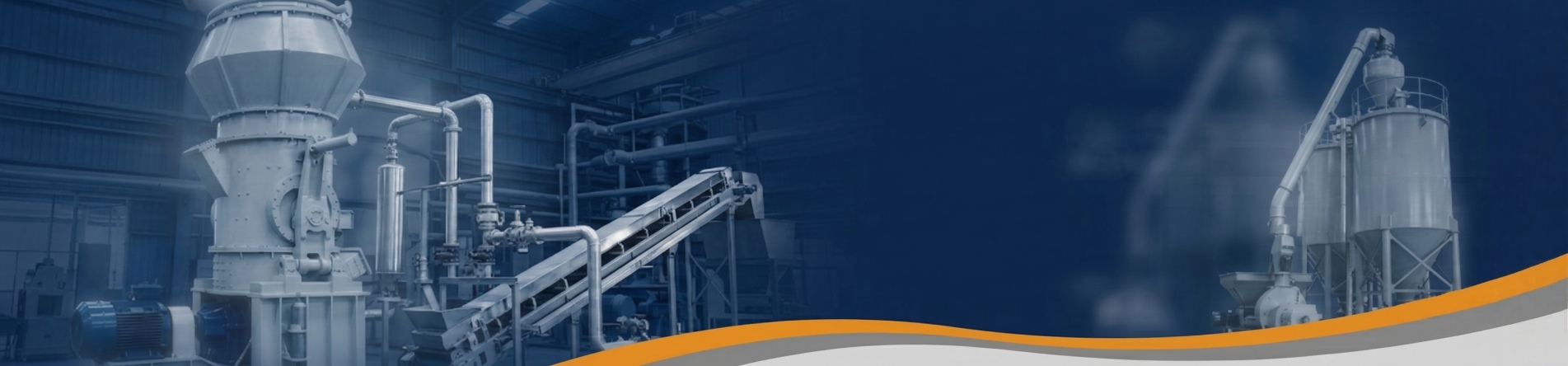
Кварц — один из самых твердых и распространенных минералов на Земле, имеющий твердость по шкале Мооса 7 и высокую абразивность. Эти характеристики делают его одновременно очень ценным и чрезвычайно сложным в обработке — в самых разных отраслях, от электроники и керамики до строительных материалов и высокочистого стекла, кварц необходимо измельчать в мелкий порошок. Для перерабатывающих компаний, планирующих строительство новых линий по измельчению кварцевого порошка или модернизацию существующих, выбор правильного измельчительного оборудования является критически важным стратегическим решением. Вертикальная валковая мельница (ВВМ) стала превосходной технологией для производства кварцевого порошка, предлагая непревзойденные преимущества в эффективности, контроле качества продукции и долгосрочной экономии затрат по сравнению с традиционными системами измельчения.
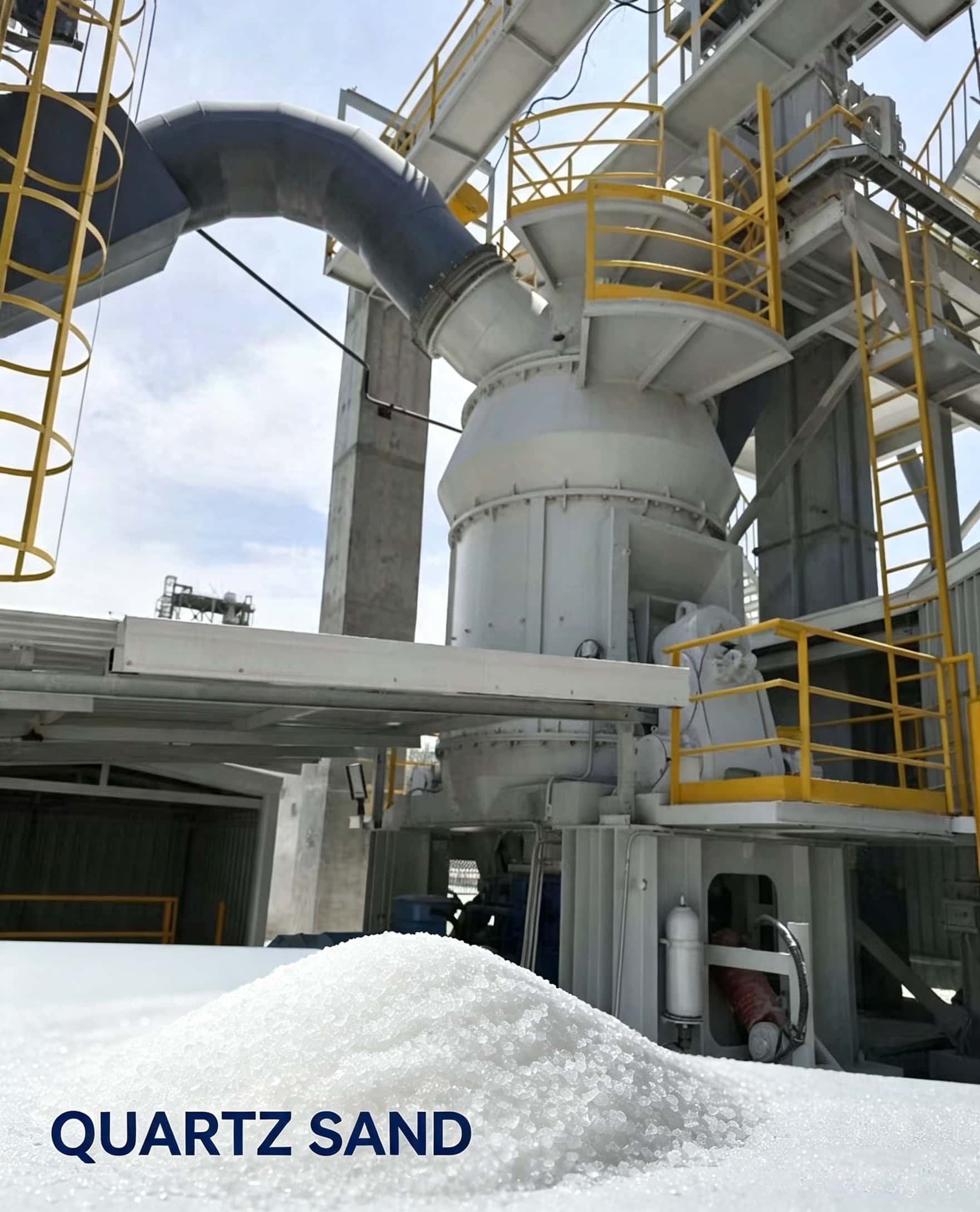
Уникальные сложности шлифовки кварца
Прежде чем рассматривать, почему вертикальная валковая мельница так эффективна в переработке кварца, важно понять, почему этот материал так сложно измельчать:
- Высокая абразивность: высокая твердость кварца вызывает сильный износ шлифовальных деталей.
- Требования к чистоте продукции: Во многих областях применения требуется минимальное загрязнение металлами.
- Высокое энергопотребление: измельчение твердого кварца до частиц микронного размера требует значительных затрат электроэнергии.
- Терморегулирование: Для поддержания качества продукции необходимо контролировать тепло, выделяемое в процессе измельчения.
Хотя традиционные шаровые мельницы также могут измельчать кварц, они, как правило, усугубляют вышеупомянутые проблемы, проявляясь в высоком энергопотреблении, значительном риске загрязнения металлами и недостаточной точности контроля размера частиц.
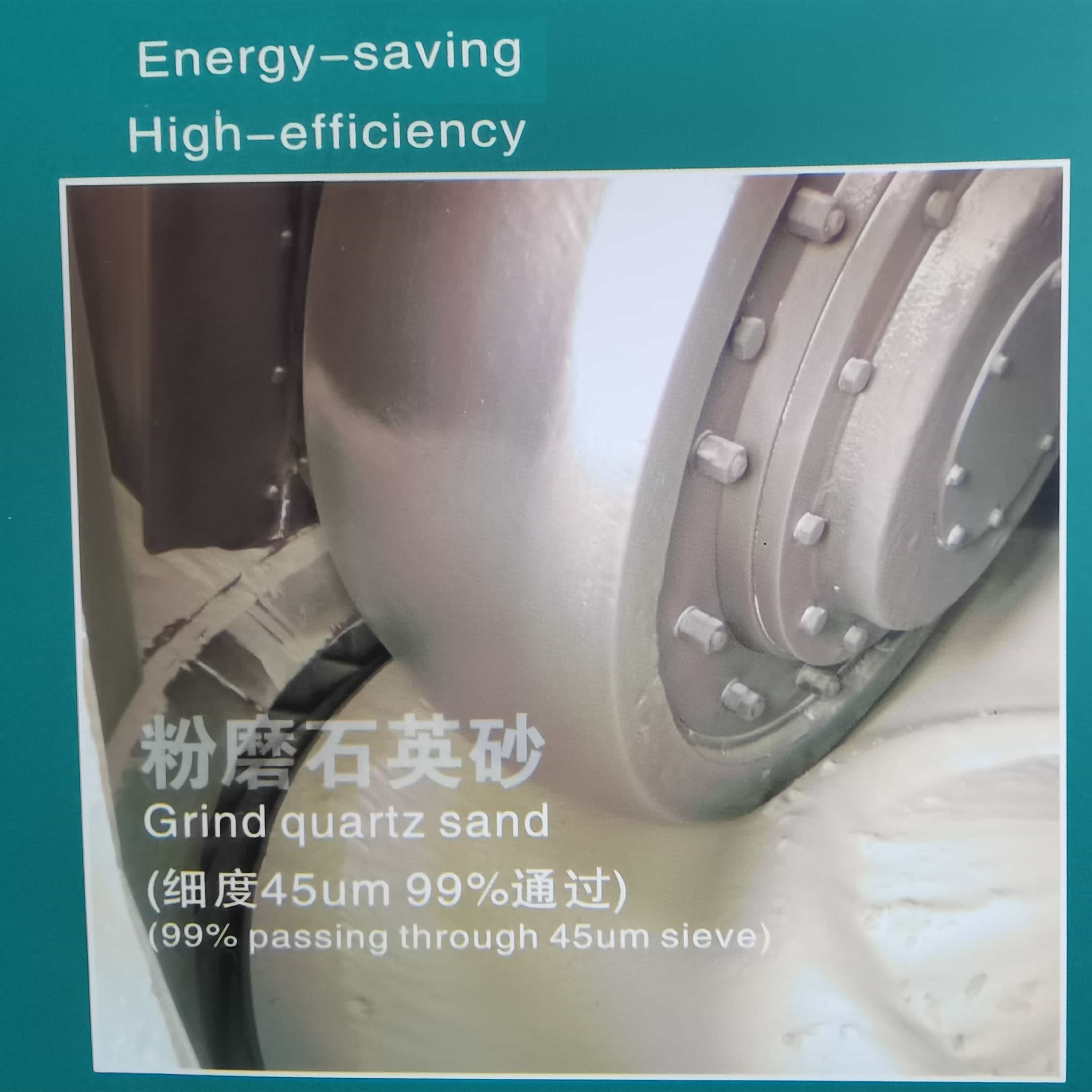
Принцип работы вертикальной валковой мельницы для измельчения кварца.
Высокая эффективность вертикальной валковой мельницы обусловлена принципом измельчения материала слоем, который принципиально отличается от ударных систем, таких как шаровые мельницы.
Процесс выглядит следующим образом: электродвигатель приводит в движение вращающийся измельчительный стол через редуктор. Сырой кварц (обычно с размером частиц ≤20–50 мм) падает из загрузочного отверстия в центр измельчительного стола, а горячий воздух поступает в мельницу через воздухозаборник. Под действием центробежной силы материал перемещается к краю измельчительного стола. Проходя через кольцевые канавки на измельчительном столе, он измельчается под действием давления вальцов.
После измельчения материал поднимается вверх высокоскоростным потоком воздуха через воздушное кольцо по краю измельчительного стола. Крупные частицы падают обратно на измельчительный стол для повторного измельчения. Когда насыщенный материалом поток воздуха проходит через динамический и статический классификатор, крупные частицы отделяются под действием вращающегося ротора и падают обратно на измельчительный стол для дальнейшего измельчения, в то время как качественный мелкодисперсный порошок выгружается потоком воздуха и собирается в системе пылеудаления в качестве конечного продукта. Материал, содержащий влагу, высушивается при контакте с потоком горячего газа, достигая требуемого содержания влаги в продукте.
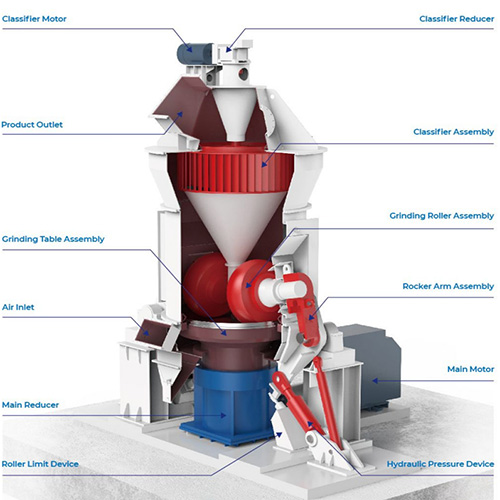
Основные преимущества вертикальных валковых мельниц для производства кварца (краткая версия)
1. Значительная экономия энергии
Потребляет на 30–50% меньше энергии, чем шаровые мельницы, что объясняется принципом измельчения в слое материала, при котором энергия непосредственно используется для дробления материала, а не для приведения в движение измельчающих тел.
2. Низкий износ и минимальное загрязнение
Шлифовальные ролики и футеровки стола изготовлены из специальных износостойких сплавов, что позволяет достичь скорости износа металла всего 5–10 грамм на тонну материала. Это увеличивает интервалы технического обслуживания и значительно снижает загрязнение металлом, отвечая требованиям чистоты, предъявляемым к высококачественному кварцу.
3. Точная и контролируемая тонкость помола
Оснащенная встроенным динамическим классификатором, тонкость помола продукта может регулироваться в режиме реального времени простым изменением скорости вращения ротора. Способна производить ультратонкие порошки с размером частиц от 30–400 меш (общее промышленное применение) до 2500 меш (высокоценные специализированные продукты) с быстрым и точным откликом.
4. Компактные размеры и экологичность
Занимает примерно 50% площади, необходимой для шаровой мельницы, и имеет интегрированную систему классификации, которая исключает необходимость в отдельных классификаторах и соответствующем конвейерном оборудовании. Полностью закрытая конструкция с отрицательным давлением обеспечивает практически нулевой уровень пылеобразования, а уровень шума на 20–25 дБ ниже, чем у шаровых мельниц.
5. Встроенная система сушки
Встроенная система горячего газа одновременно сушит кварцевое сырье, содержащее поверхностную влагу, что исключает необходимость в отдельном сушильном оборудовании, упрощает общий технологический процесс и снижает первоначальные капиталовложения.
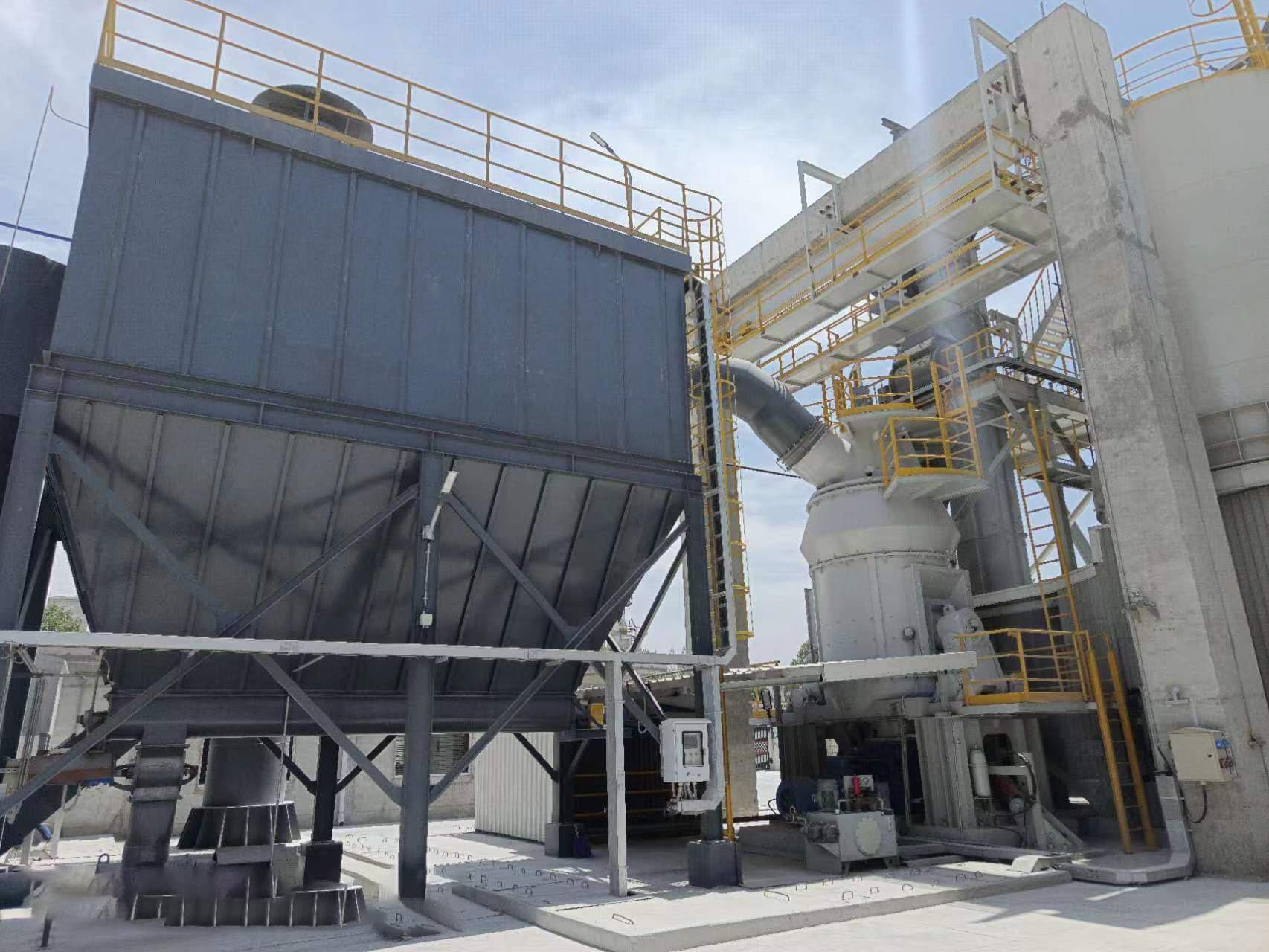
Выбор подходящей вертикальной валковой мельницы для обработки кварца.
Не все мельницы VRM подходят для обработки кварца. Высокая абразивность этого материала требует использования мельниц, специально разработанных для твердых минералов. Для мелкодисперсных и сверхмелкодисперсных кварцевых порошков выбирайте модели с высокоточными турбоклассификаторами и защитой от износа. Ключевые особенности: системы быстрой смены валков, автоматизация на базе ПЛК и надежная гидравлика для стабильного давления измельчения.
Ключевые параметры: размер частиц исходного сырья (10–50 мм), тонкость помола продукта (30–600+ меш), производительность и энергопотребление на тонну.
Шаровые мельницы устарели для современного рынка кварца. Вращающиеся мельницы обеспечивают экономию энергии, лучший контроль качества, меньшие издержки износа, компактную конструкцию и экологические преимущества.
Для обеспечения долгосрочной конкурентоспособности инвестиции в технологию VRM являются стратегическим шагом, гарантирующим эффективность, качество и экологичность по мере роста спроса на высокочистый кварц в электронике, возобновляемой энергетике и высокотехнологичном производстве.